Houston is one of the better U.S. cities to shop for liposuction if you want strong surgeon depth without paying top-tier coastal pricing. Most patients here will see quotes in the $3,500 to $12,000 range depending on the treatment area, how many areas are treated, whether the case is tumescent in-office or done under deeper anesthesia, and whether you are adding liposculpture or a fat-transfer plan. Houston's real edge is scale: the city sits next to the Texas Medical Center, which describes itself as the largest medical complex in the world.
Most city pages get one thing wrong. They turn "best surgeon" into a paid popularity contest. That is not how patients should choose surgery. In Houston, the smarter move is to understand the market, verify credentials, and then compare surgeons who do a high volume of your exact treatment area.
Houston market overview
Houston is a deep plastic surgery market, not a thin one. The city benefits from a huge healthcare ecosystem, major referral networks, and strong academic training pipelines. McGovern Medical School at UTHealth Houston runs an integrated plastic surgery residency, and Baylor College of Medicine's integrated plastic surgery residency is one of the earlier established programs in the country with long-standing Texas Medical Center affiliations. That does not make every local surgeon great. It does mean Houston has a larger pool of formally trained surgeons than many secondary markets.
For patients, the shopping map usually clusters around Galleria, River Oaks, the Medical Center, Sugar Land, and The Woodlands. Those areas do not all represent the same kind of practice. River Oaks and Galleria often skew boutique and aesthetic-forward. The Medical Center tends to attract patients who care about institutional depth and hospital access. Sugar Land and The Woodlands matter because many suburban patients want shorter follow-up drives during recovery.
Houston also has a busy cosmetic and med spa scene. That matters because not every provider marketing "body contouring" is an ABPS board-certified plastic surgeon. In Texas, checking the license and the exact board matters more than the branding on Instagram.
Houston liposuction cost ranges
The headline number for Houston is still $3,500 to $12,000. That is generally more affordable than what many patients see in New York City, Los Angeles, or Miami for comparable quality. Nationally, ASPS lists the average liposuction surgeon's fee at $4,711, and that number does not include anesthesia or operating-room costs.
Here is how Houston quotes often cluster in the real market:
| Houston lipo scenario | Typical quote range | What usually drives the price |
|---|---|---|
| Small treatment area or submental liposuction | $3,500–$5,000 | Local anesthesia, shorter operative time, limited cannula passes |
| Single larger area like abdomen or flanks | $4,500–$7,500 | More volume, more contour work, garment and aftercare costs |
| Abdomen + flanks with liposculpture | $6,500–$9,500 | Multi-area planning, longer OR time, more surgical precision |
| 360 lipo or multi-area body contouring | $8,500–$12,000 | Circumferential treatment, larger operative plan, higher facility/anesthesia fees |
The cheapest quote is rarely the best value. In Houston, ask exactly what is included: surgeon fee, anesthesia, facility, compression garments, post-op visits, drains if needed, and revision policy. A low advertised price can turn into a much higher final bill once those line items are added.
For deeper pricing context, see how much liposuction costs and liposuction cost by body area.
How to find a top liposuction surgeon in Houston
There is no official "best liposuction surgeon in Houston" title. The better question is: who is the best surgeon for your treatment area, anatomy, and goals?
Start with this screen:
| What to verify | Why it matters | How to verify |
|---|---|---|
| Active Texas physician license | Confirms legal authority to practice and shows status history | Texas Medical Board Look Up a License |
| ABPS board certification | The most meaningful plastic surgery credential for cosmetic lipo patients | ABPS certification search or ABMS tools |
| Hospital privileges | Adds another layer of credential review | Ask the office and confirm on the physician profile where available |
| Accredited operating facility | Important for safety and emergency readiness | Ask whether the OR is accredited and by whom |
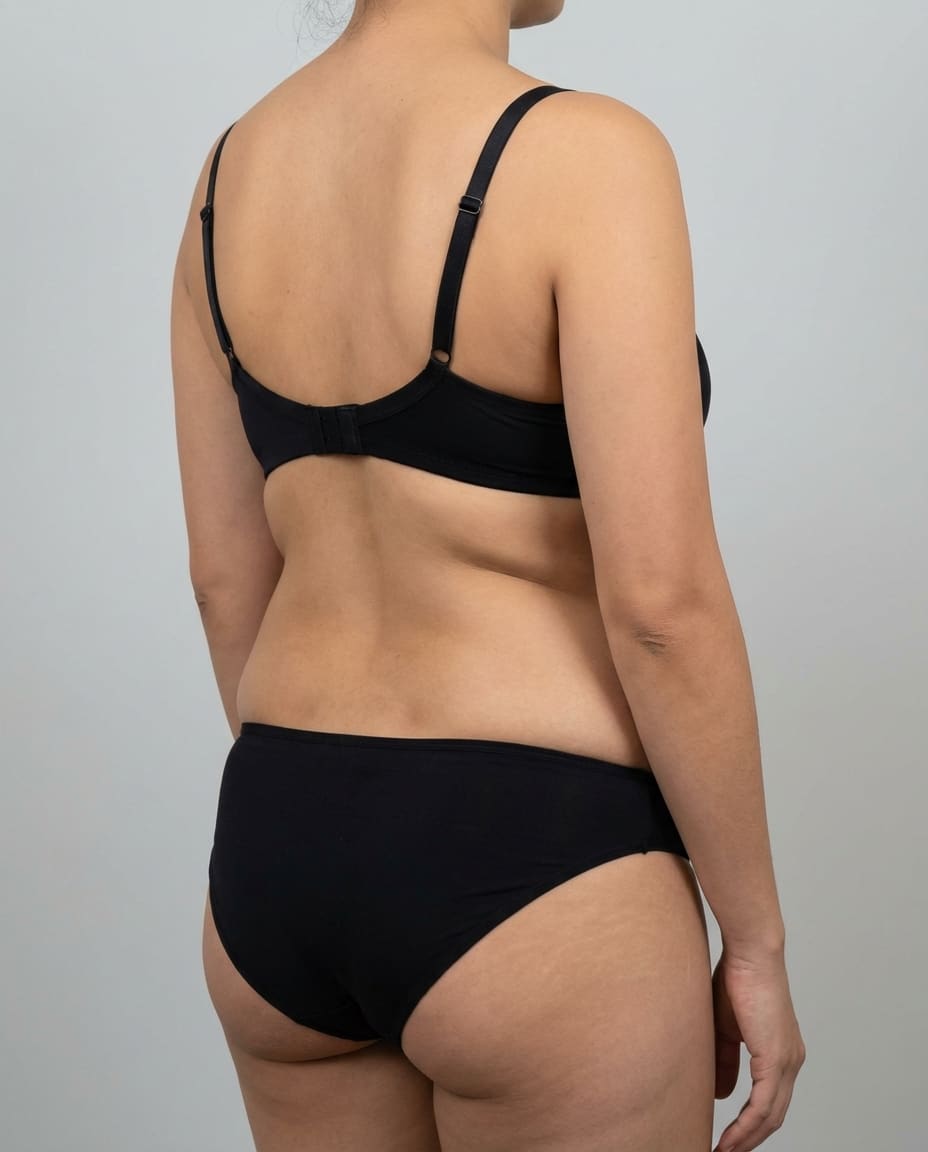
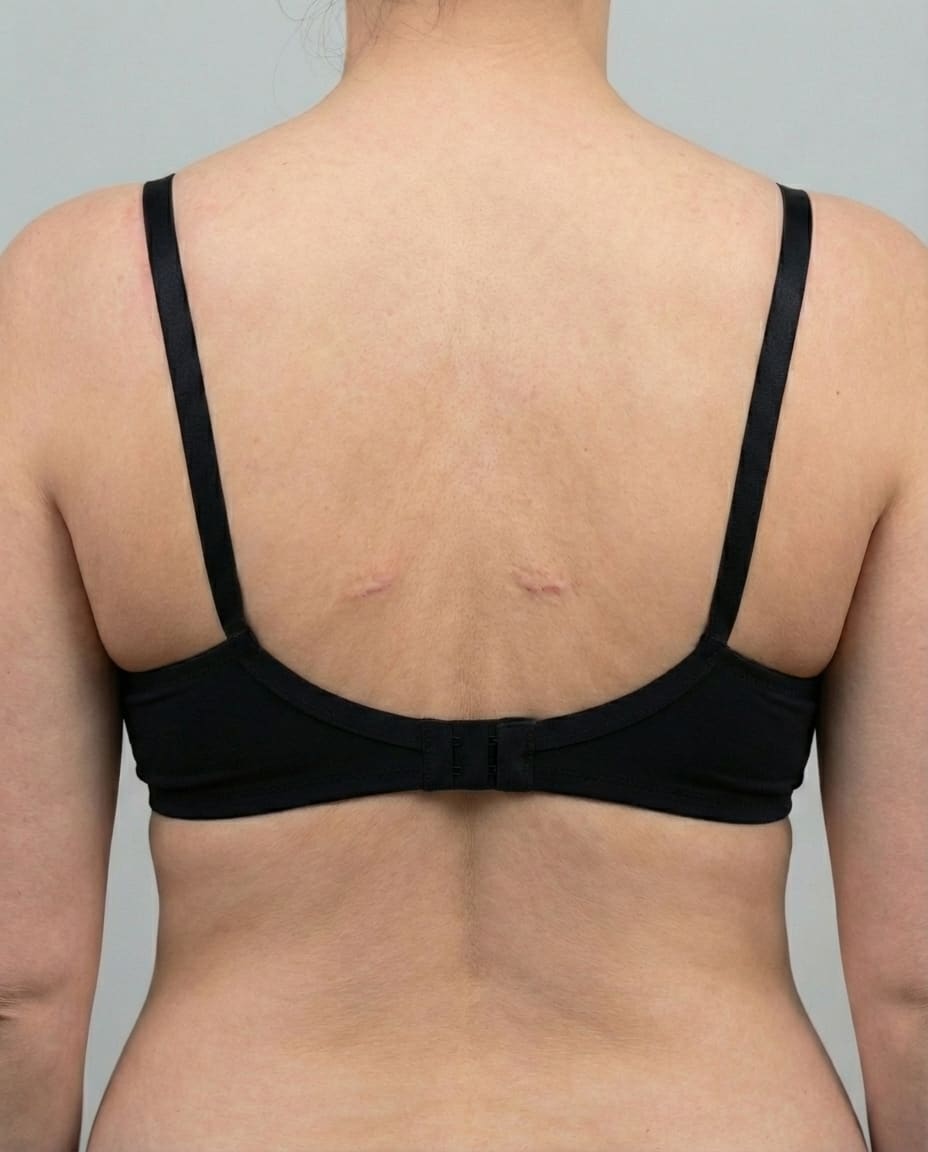
| Before-and-after photos in your treatment area | Shows technical fit, not just general aesthetics | Review abdomen, flank, chin, or male chest cases specifically |
| Clear revision and complication policy | Prevents cost surprises | Ask in writing before booking |
The Texas Medical Board's public lookup tool lets patients search physician profiles, license status, educational background, and board actions, and it says the data is updated daily. It also lets users search by specialty.
Texas also has a specific advertising rule on board certification. Under Texas rules, physicians may advertise that they are "board certified" if the certifying board is part of the ABMS, the osteopathic BOS, the American Board of Oral and Maxillofacial Surgery, or another organization separately approved by the Texas Medical Board. For liposuction patients, that is exactly why the phrase alone is not enough. You want the American Board of Plastic Surgery (ABPS) credential verified by the ABPS or ABMS tools.
For a full screening framework, read how to choose a liposuction surgeon.
What procedures are most popular in Houston?
Houston patients commonly ask for abdomen and flanks, 360 lipo, waist-focused liposculpture, submental liposuction, and combination plans built around a BBL-style silhouette change. Male liposuction is also a meaningful part of the Houston market, especially for the chest, waist, and flanks.
That trend tracks with broader national demand. ASPS says liposuction remained the single most popular plastic surgery procedure in the U.S. in 2024, and its male cosmetic surgery data continues to list liposuction among the major body procedures for men.
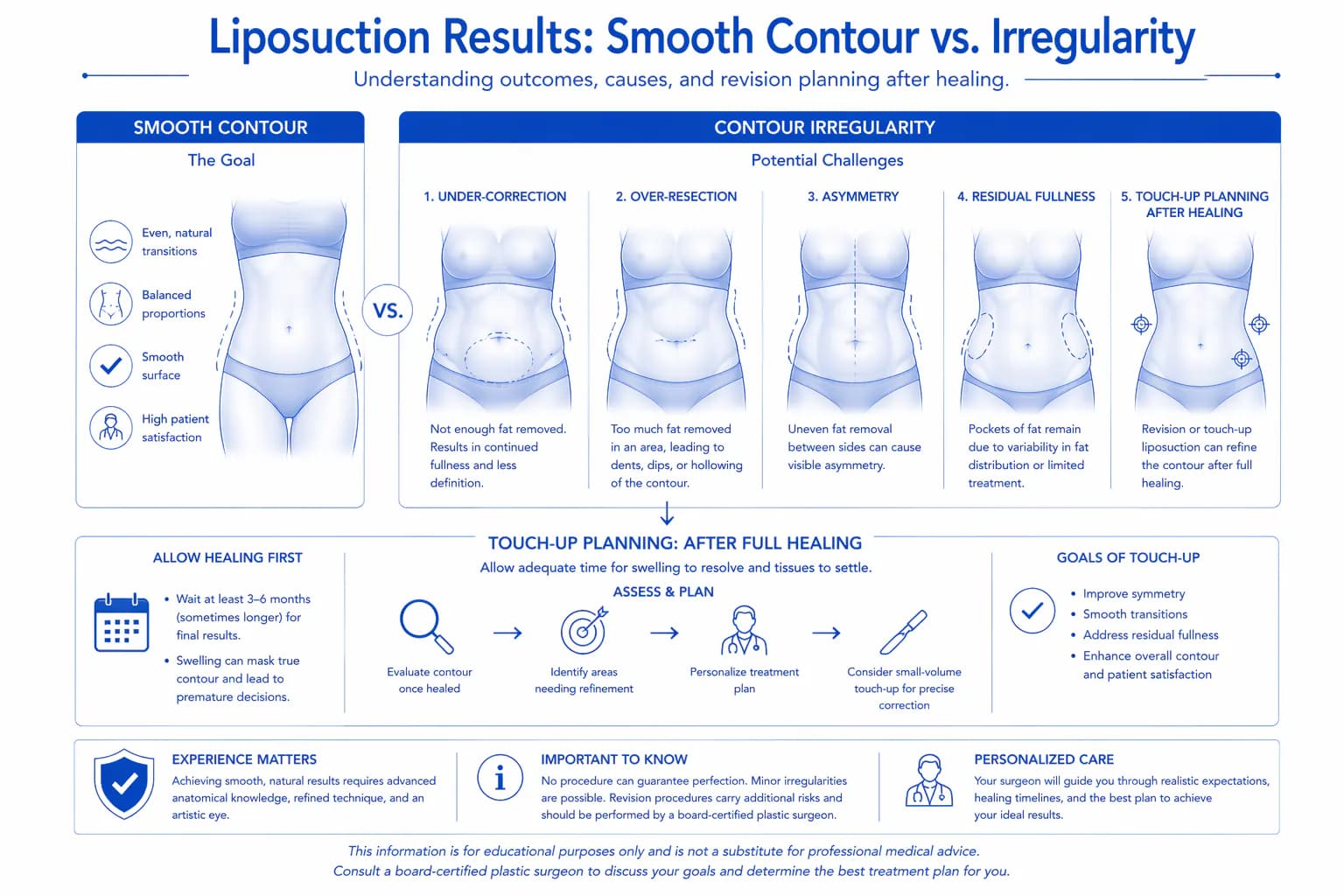
Technique matters less than surgeon judgment, but it still matters. In Houston you will see surgeons offer tumescent, power-assisted, and VASER approaches. The right choice depends on your treatment area, skin quality, amount of fibrous tissue, and whether you want aggressive etching or smoother, more conservative contouring. What liposuction does not do well is replace a tummy tuck when skin laxity is the main problem. Mayo Clinic notes that liposuction is not an overall weight-loss method, and ASPS emphasizes that skin can only contract so much after the procedure.
Why the Texas Medical Center matters
The Texas Medical Center does not automatically make every Houston cosmetic practice better. But it does change the market.
TMC describes itself as the largest medical complex in the world, and Houston's training ecosystem includes both UTHealth Houston and Baylor plastic surgery programs. In practical terms, that means a bigger local network of surgeons, anesthesiologists, hospitals, specialists, and referral pathways than you see in many cities. That can benefit patients who want backup systems, hospital access, or complex body contouring planning rather than a pure med-spa experience.
This is the real Houston advantage. It is not that every surgeon is elite. It is that the city gives serious patients more ways to find a well-trained one.
Liposuction in Houston for out-of-town patients
Houston works well for out-of-town patients because it is large, medically dense, and used to healthcare travel. A remote consultation can help with early screening, but a real surgeon still needs to examine you in person before surgery.
For travel planning, think in terms of recovery logistics, not airfare deals:
| Recovery detail | Better plan |
|---|---|
| First 24 hours | Have an adult escort and do not recover alone |
| Hotel choice | Stay close to the office or surgery center, especially in the Medical Center or Galleria corridor |
| Transportation | Avoid long solo drives through Houston traffic right after surgery |
| Follow-up timing | Expect at least an early post-op visit before you leave town |
| Packing | Compression garments, loose clothing, medications, hydration, and phone chargers within reach |
ASPS recovery guidance notes that patients can usually begin simple walking soon after surgery and gradually build activity over the following weeks. In Houston, heat and long drive times can make that first phase more uncomfortable, so book conservatively and stay close.
Houston recovery logistics and timeline
A realistic recovery timeline is more useful than a "back to normal in 48 hours" sales pitch.
| Recovery milestone | Typical timing |
|---|---|
| Walking around the house | Same day or next day |
| Desk work or light daily activity | About 3–7 days for many patients |
| Bruising and swelling still obvious | 1–2 weeks |
| Lower-intensity workouts | Often after a few weeks, once cleared |
| Final contour settling | 3–6 months |
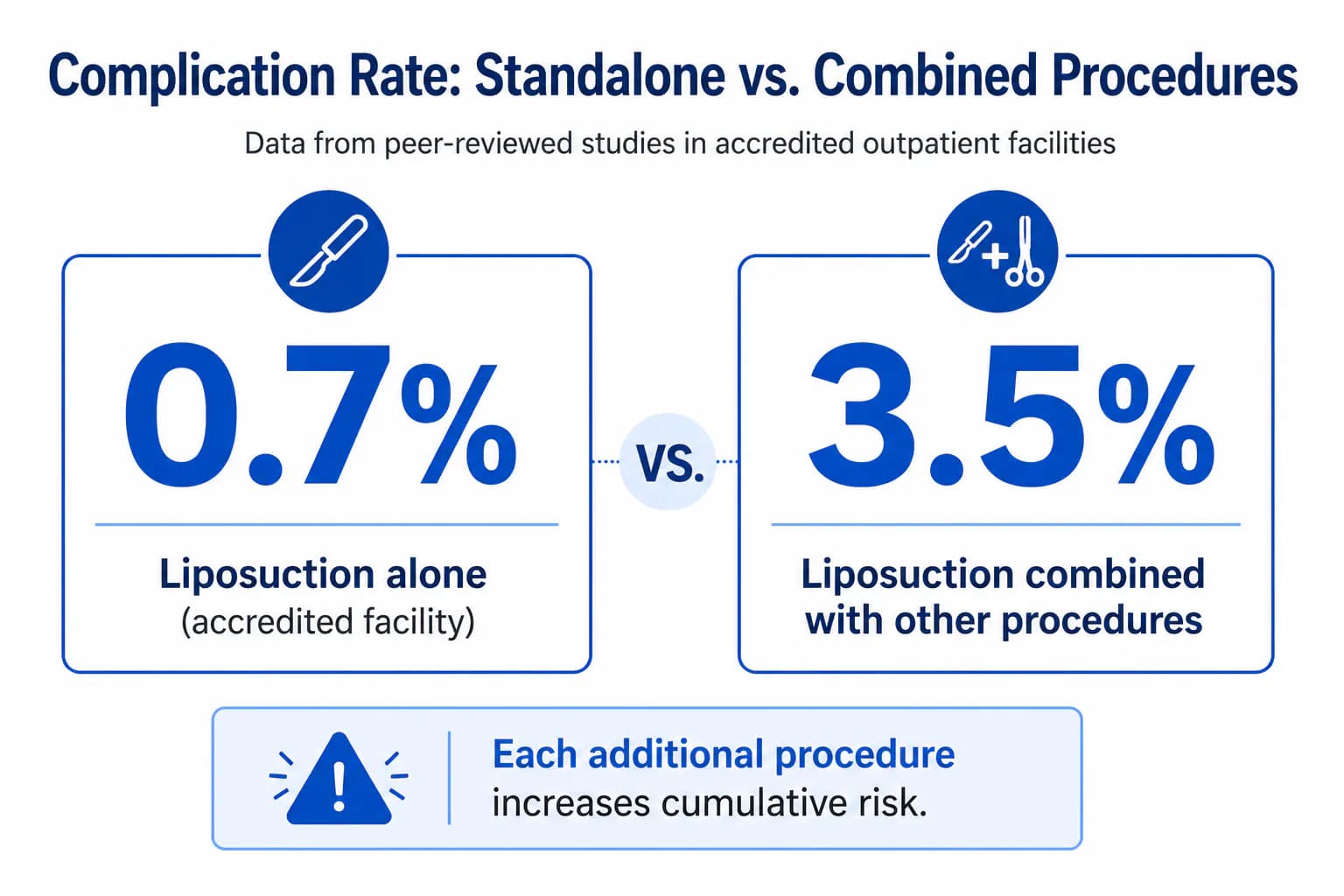
Every timeline varies by treatment area, total volume removed, technique, and whether you paired liposuction with another procedure.
Tummy tuck vs liposuction in Houston: which one do you need?
Houston patients often research both procedures, but they solve different problems. Liposuction removes fat under the skin. A tummy tuck removes excess skin and repairs separated abdominal muscles. The right choice depends on your anatomy, not the marketing. ASPS reports that tummy tuck surgery (abdominoplasty) carries a national average surgeon fee of $6,612, compared with $4,711 for liposuction, and those numbers exclude facility and anesthesia costs.
In Houston, tummy tuck surgery typically runs $7,000 to $14,000 when you include all costs. Liposuction of the same region usually lands between $4,500 and $9,500. The gap reflects longer operative time, more complex tissue work, and a harder recovery for abdominoplasty patients.
| Factor | Liposuction | Tummy tuck (abdominoplasty) |
|---|---|---|
| Best for | Excess fat with reasonable skin elasticity | Loose skin, stretched muscles, post-pregnancy or weight-loss changes |
| Typical Houston total cost | $4,500–$9,500 | $7,000–$14,000 |
| Recovery to desk work | 3–7 days for many patients | 1–3 weeks |
| Skin removal | No | Yes |
| Muscle repair | No | Yes, if diastasis is present |
| Anesthesia | Often local or twilight | Usually general anesthesia |
| Scar | Small incisions, often hidden | Longer hip-to-hip scar, low on abdomen |
Many Houston patients, especially after pregnancy or significant weight loss, benefit from a combination plan rather than liposuction alone. A surgeon who only recommends liposuction when you have clear skin laxity and muscle separation may be underselling the problem to close a faster, simpler case.
The reverse is also true. Some patients who think they need a tummy tuck actually have good skin quality and would get a strong result from liposuction alone. That is why an in-person exam with an ABPS board-certified plastic surgeon matters more than self-diagnosing from online photos.
For a full side-by-side comparison, see liposuction vs tummy tuck.
CoolSculpting vs liposuction in Houston: non-surgical or surgical?
CoolSculpting and liposuction target fat, but they are not interchangeable. CoolSculpting freezes fat cells through the skin without incisions, while liposuction surgically removes fat with a cannula. A 2023 review in Lasers in Surgery and Medicine found that cryolipolysis reduces localized fat by roughly 10% to 25% per treatment area over several months. Surgical liposuction can remove larger volumes in a single session.
Houston has a large CoolSculpting market, driven by the city's med-spa density and warm-climate body-conscious culture. CoolSculpting appeals to patients who want no downtime, smaller reductions, and gradual results. Liposuction appeals to patients who want a more significant, immediate change and are willing to accept a surgical recovery.
| Factor | CoolSculpting (cryolipolysis) | Liposuction |
|---|---|---|
| Approach | Non-surgical, applicator-based | Surgical, cannula-based |
| Downtime | None to minimal | Several days to a week or more |
| Fat reduction per area | ~10–25% per cycle, over weeks | Larger volume in one procedure |
| Results timeline | Gradual, peaks at 2–3 months | Visible early, refines over 3–6 months |
| Typical Houston cost | $700–$1,500 per cycle; multiple cycles common | $3,500–$12,000 total depending on areas |
| Anesthesia | None | Local, twilight, or general |
| Best candidate | Small, pinchable fat bulges near ideal weight | Larger volume, multiple areas, or more aggressive contour goals |
| Skin tightening | No | Limited; skin quality determines final contour |
The Houston climate is worth thinking about. Summer heat and humidity make wearing compression garments after liposuction more uncomfortable, so many Houston patients prefer scheduling surgical cases between October and May. CoolSculpting has no garment requirement, which makes timing more flexible. But if you need a meaningful contour change, convenience should not drive the medical decision.
One caution specific to Houston: the city has many med spas offering CoolSculpting, and not all of them are supervised by physicians with deep training in fat anatomy. Poor applicator placement can cause uneven results or paradoxical adipose hyperplasia, a rare but documented complication where treated fat grows instead of shrinking.
For the full comparison, see liposuction vs CoolSculpting.
Body contouring in Houston: 360 lipo, BBL, and combination plans
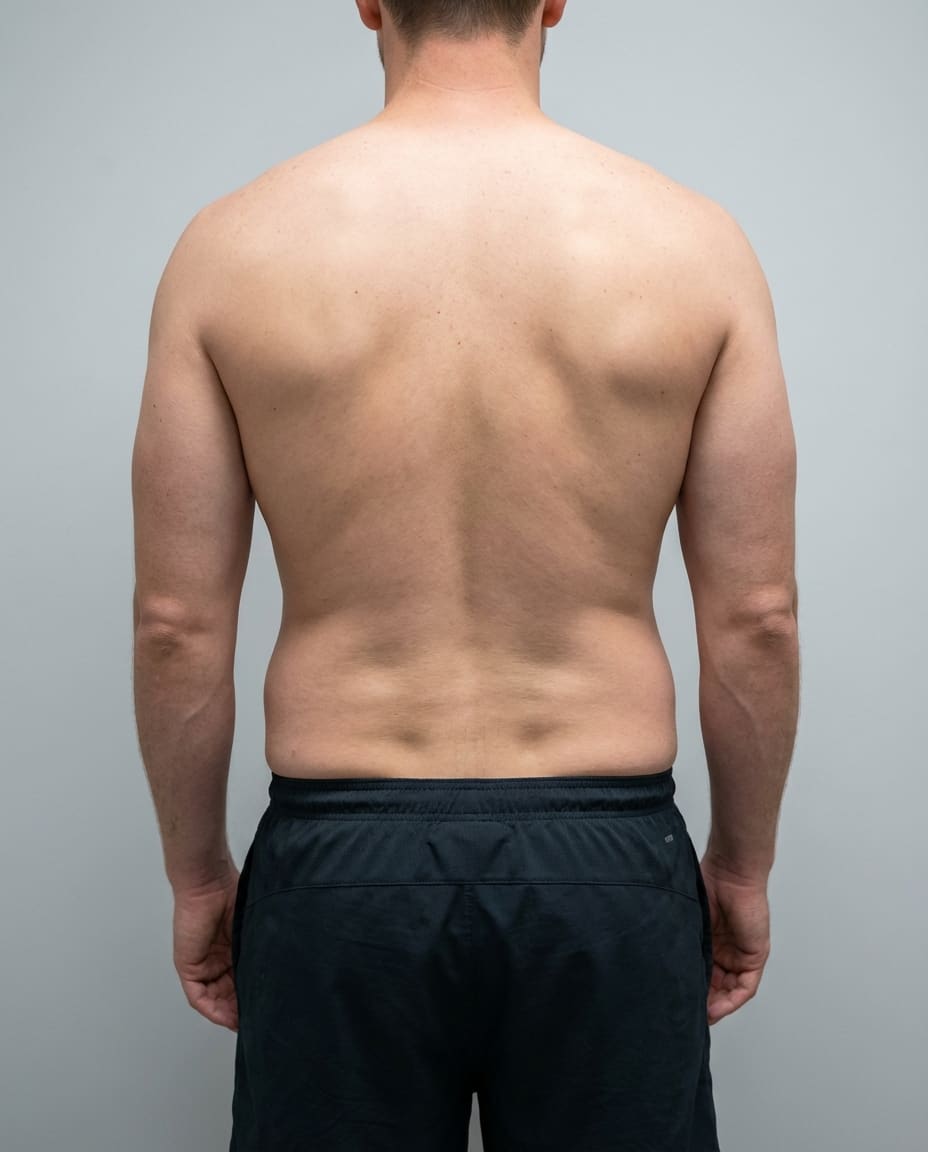
Houston is one of the top BBL markets in the United States. ASPS data show that the South Central region, which includes Texas, accounts for a significant share of national buttock augmentation with fat grafting volume. The city's combination of surgeon depth, competitive pricing, and cultural demand for waist-to-hip contouring has made 360 lipo plus fat transfer a mainstream treatment plan here, not a niche offering.
360 lipo refers to circumferential liposuction of the torso: abdomen, flanks, lower back, and often the waist. The goal is not just fat removal. It is full-circumference shape design. When combined with fat transfer to the buttocks and hips, the procedure can produce a more dramatic silhouette change than liposuction alone.
| Treatment plan | What it includes | Typical Houston cost range |
|---|---|---|
| 360 lipo (no fat transfer) | Circumferential torso contouring, abdomen through lower back | $8,500–$12,000 |
| 360 lipo + BBL | Torso contouring plus fat harvest and transfer to buttocks/hips | $9,500–$16,000 |
| 360 lipo + BBL + additional areas (arms, thighs) | Multi-zone body contouring with fat transfer | $12,000–$20,000+ |
Not every Houston patient is a BBL candidate. You need enough harvestable fat to make a transfer worthwhile, and your skin quality needs to support the contour change. A thinner patient may get excellent results from 360 lipo alone, while a patient with more volume may get a more dramatic result from the combined plan.
Combination planning also changes recovery. 360 lipo plus BBL means a longer operative time, more body surface treated, and specific postoperative positioning rules to protect transferred fat. Patients cannot sit directly on the buttocks for a period the surgeon specifies, which affects daily logistics for the first few weeks.
Houston's surgeon pool is large enough that patients can and should compare multiple consults before committing to a combination plan. For background on the procedure, see 360 lipo and BBL. For fat transfer specifics, see liposuction fat transfer. To find surgeons in the Houston metro area, see Houston liposuction surgeons.
Most Houston patients will see quotes from $3,500 to $12,000. Smaller treatment areas sit at the low end. Multi-area liposculpture, 360 lipo, or more facility-intensive cases sit at the high end. Nationally, ASPS lists an average surgeon's fee of $4,711, but that does not include anesthesia or facility charges.
There is no official single best surgeon. The safest answer is the surgeon who is ABPS board-certified, has an active Texas license, shows strong before-and-after results in your exact treatment area, and gives you a precise operative plan instead of a vague sales pitch. Verify through the Texas Medical Board and ABPS rather than relying on ads alone.
Houston's edge is depth. The city's scale, Texas Medical Center footprint, and major training programs give it a strong surgeon pool. Dallas can absolutely be a good market too, but city choice matters less than surgeon fit, credential verification, and whether the practice does your procedure style well.
Texas allows physicians to advertise "board certified" if the certifying board falls under the ABMS, the osteopathic BOS, the American Board of Oral and Maxillofacial Surgery, or another board approved by the Texas Medical Board. For cosmetic liposuction, patients should specifically look for American Board of Plastic Surgery certification.
The most common asks are abdomen, flanks, waist contouring, 360 lipo, submental lipo, and combination body contouring plans. Male liposuction is also important in Houston, especially for the chest and waistline. Nationally, liposuction remains the most-performed plastic surgery procedure.
Yes. Houston is a practical destination for surgery travel, especially around the Medical Center and Galleria. But out-of-town patients still need an in-person evaluation, an escort, and enough time for early follow-up before flying or driving home.
Expect early walking, several days of soreness and swelling, and a gradual return to full activity over the following weeks. Houston-specific planning matters because heat, traffic, and long commutes can make the first part of recovery less comfortable than patients expect.
It can. TMC's size and the surrounding academic ecosystem create a deeper medical bench than many cities have. That does not guarantee quality at every practice, but it does give Houston unusual strength in training, hospital access, and specialist infrastructure.
